Commercial Mold Remediation: Compliance and Best Practices in Milford Square
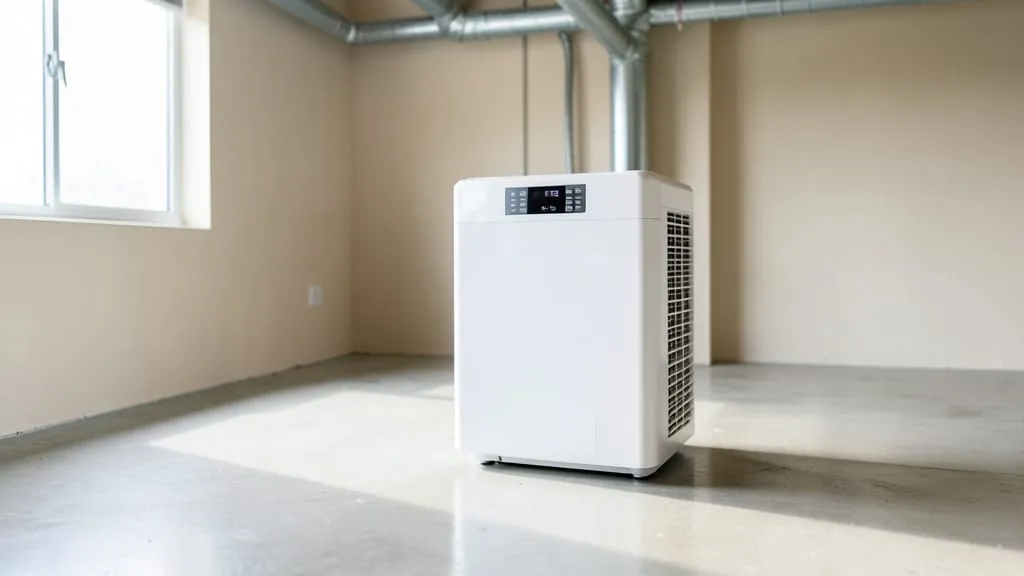
Commercial mold isn’t just an eyesore—it’s a liability. In Milford Square’s humid climate, unchecked moisture in offices, warehouses, or retail spaces can spiral into costly infestations, health risks, and compliance violations. We tackle mold at its source, ensuring your property meets local and federal standards while safeguarding employees and customers.
Why Commercial Mold Remediation Demands a Professional Approach
Mold in commercial settings spreads faster and wider than in homes. HVAC systems, shared walls, and high foot traffic accelerate contamination, often hiding spores in ductwork or behind drywall.
DIY fixes or surface cleaning rarely address the root cause. Without proper containment, remediation can aerosolize spores, worsening the problem and risking cross-contamination to nearby areas like Quakertown or Sellersville.
Our team uses industrial-grade equipment—HEPA air scrubbers, negative air machines, and moisture meters—to ensure spores are captured, not just displaced.
Exposure to mold in workplaces can trigger allergies, respiratory issues, and even lawsuits. OSHA and EPA guidelines require proactive remediation to avoid fines or shutdowns.
Milford Square’s Climate: A Breeding Ground for Mold
Bucks County’s seasonal swings—wet springs, humid summers, and damp falls—create ideal conditions for mold growth. Basements in older buildings near Spinnerstown or Richlandtown are especially vulnerable.
Poor ventilation in commercial kitchens, restrooms, or storage areas traps moisture. Even new constructions in Pennsburg or Telford can develop issues if humidity isn’t controlled during and after build-outs.
Regular mold inspections, especially before tenant move-ins or after water incidents, are critical to catching problems early.
Compliance Standards for Commercial Mold Remediation
Pennsylvania follows EPA and OSHA guidelines, but local health departments in areas like Milford Square may impose stricter rules for public-facing businesses.
Key requirements include documented remediation plans, proper PPE for workers, and post-remediation air quality testing to confirm spore levels are safe.
For buildings with asbestos-containing materials (common in pre-1980s structures in Allentown or Emmaus), remediation must include asbestos testing to avoid violating federal regulations.
| Regulation | Scope | Relevance to Commercial Properties |
|---|---|---|
| EPA Mold Remediation Guidelines | Best practices for containment, cleanup, and prevention | Mandatory for all commercial remediation projects |
| OSHA General Duty Clause | Employer responsibility to provide a safe workplace | Applies to employee exposure risks in offices, warehouses, etc. |
| Pennsylvania Department of Health | Local reporting and remediation standards | May require additional documentation for public buildings |
| Asbestos NESHAP (EPA) | Asbestos handling and disposal | Critical for older buildings in Milford Square, Perkasie, or Souderton |
Step-by-Step Commercial Mold Remediation Process
We start with a thorough mold inspection and air quality testing to identify the extent of contamination and moisture sources. This step is non-negotiable for accurate remediation.
Containment is next. Using plastic sheeting and negative air pressure, we isolate the affected area to prevent spores from spreading to clean zones like adjacent offices or retail spaces.
HEPA vacuuming, antimicrobial treatments, and physical removal of contaminated materials (e.g., drywall, insulation) follow. Porous items often can’t be salvaged.
Special Considerations for Different Commercial Spaces
Warehouses in Coopersburg or Harleysville often face mold in stored inventory or on concrete floors due to poor drainage. Dehumidification and moisture barriers are key.
Restaurants and healthcare facilities in Emmaus or Hellertown require rapid response to mold in HVAC systems or food storage areas to avoid shutdowns.
Schools and universities, like DeSales University, need remediation during off-hours to minimize disruption. We coordinate with facility managers to ensure compliance with educational facility standards.
Commercial Space-Specific Mold Checks
- Inspect HVAC ducts and coils in office buildings (e.g., Allentown, Wescosville)
- Test for moisture in basement storage areas (common in Blooming Glen, Bally)
- Evaluate roof leaks in large retail spaces (e.g., Souderton, Telford)
- Check crawl spaces in older commercial buildings (e.g., Richlandtown, Spinnerstown)
Preventing Recurrence: Long-Term Mold Control Strategies
Remediation is only half the battle. Without addressing the root moisture issue, mold will return—often within weeks.
We recommend installing commercial-grade dehumidifiers, improving ventilation, and sealing cracks in foundations or roofs. Regular maintenance of gutters and downspouts is also critical, especially in flood-prone areas near Green Lane or Silverdale.
For properties with chronic humidity, we offer moisture control systems tailored to the building’s size and usage.
Schedule quarterly air quality tests and visual inspections, particularly in high-risk areas like basements, attics, or HVAC rooms.
When to Call in the Experts: Red Flags for Commercial Properties
Visible mold growth, musty odors, or water stains are obvious signs, but hidden mold often lurks behind walls or under flooring. Unexplained employee illnesses or customer complaints can also signal a problem.
After water damage—from burst pipes, leaks, or flooding—mold can develop within 24–48 hours. Immediate action is required to prevent structural damage and health hazards.
If your building has a history of mold or moisture issues, or if it’s located in a high-humidity zone like near the Perkiomen Creek, proactive testing is wise.
How to Prepare Your Commercial Property for Mold Remediation
Proper preparation ensures the remediation process is efficient, safe, and minimally disruptive to your business operations.
- 1Clear the Affected Area
Remove all furniture, equipment, and inventory from the contaminated space. Seal non-removable items with plastic sheeting to protect them from spores.
- 2Notify Occupants
Inform employees, tenants, or customers about the remediation schedule and any temporary relocations. Post clear signage to restrict access.
- 3Shut Down HVAC Systems
Turn off heating, cooling, and ventilation systems to prevent spores from spreading through ductwork to other parts of the building.
- 4Provide Access to Water and Power
Ensure our team has access to water sources for cleanup and electrical outlets for equipment like air scrubbers and dehumidifiers.
- 5Document the Space
Take photos or videos of the area before remediation begins. This helps with insurance claims and post-remediation verification.
- 6Coordinate with Our Team
Discuss entry points, parking for our vehicles, and any security protocols (e.g., after-hours access) to streamline the process.
Frequently Asked Questions
How long does commercial mold remediation take in Milford Square?
Timelines vary based on the size of the infestation and the type of building. Small, contained areas may take 1–3 days, while large or complex spaces (e.g., warehouses in Quakertown or multi-story offices in Allentown) can require 1–2 weeks. We provide a detailed estimate after inspection.
Is mold remediation covered by commercial insurance?
Coverage depends on your policy and the cause of the mold. Many policies cover remediation if the mold results from a covered peril (e.g., burst pipes), but exclude it if due to neglected maintenance. We recommend reviewing your policy and documenting the damage thoroughly.
Can mold return after remediation?
Yes, if the underlying moisture issue isn’t resolved. We address the root cause—whether it’s leaks, poor ventilation, or high humidity—and provide recommendations for long-term prevention, such as dehumidifiers or improved drainage around the building.
Do you handle asbestos testing during mold remediation?
Yes. Older commercial buildings in areas like Emmaus or Hellertown often contain asbestos in insulation, tiles, or drywall. We conduct asbestos testing as part of our initial assessment to ensure safe and compliant remediation.
What’s the difference between mold removal and mold remediation?
Mold removal refers to physically eliminating visible mold, while remediation addresses the entire problem—containment, cleanup, moisture control, and prevention. Remediation ensures spores don’t return or spread, which is critical for commercial properties.
Are there specific regulations for mold remediation in Pennsylvania?
Pennsylvania follows EPA and OSHA guidelines, but local health departments may have additional requirements. For example, public buildings in Milford Square or nearby towns like Perkasie may need extra documentation. We stay updated on all applicable regulations to ensure compliance.